
Yadea, a leading Chinese manufacturer of two-wheeled electric vehicles, announced that it will officially enter the Japanese market in November this year. The first batch of models launched will be priced at approximately 210,000 Japanese yen (equivalent to around 10,000 Chinese yuan), which is about 30% cheaper than Japanese brands such as Honda and Yamaha. With a maximum range of over 60 kilometers on a single charge, these vehicles can meet the needs of daily commuting.
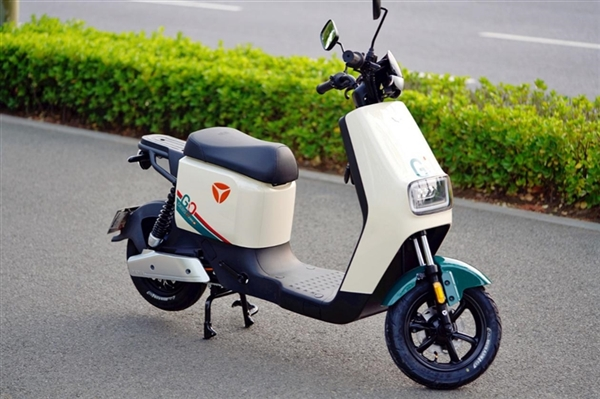
Yadea’s choice to enter the Japanese market in November is no coincidence; it is mainly related to the upcoming new round of motorcycle exhaust emission standards to be implemented in Japan. Starting from November, Japan will enforce stricter motorcycle exhaust emission standards, requiring products to significantly reduce carbon monoxide and nitrogen oxide emissions.
To comply with the new regulations, local manufacturers will cease production of some existing fuel-powered models by the end of October and shift to gasoline vehicles that meet the new standards. While all these brands plan to launch gasoline models compliant with the new rules, only Yamaha has explicitly stated that it will not release such models until the first half of 2026. This policy adjustment presents a rare market entry opportunity for electric mobility products.
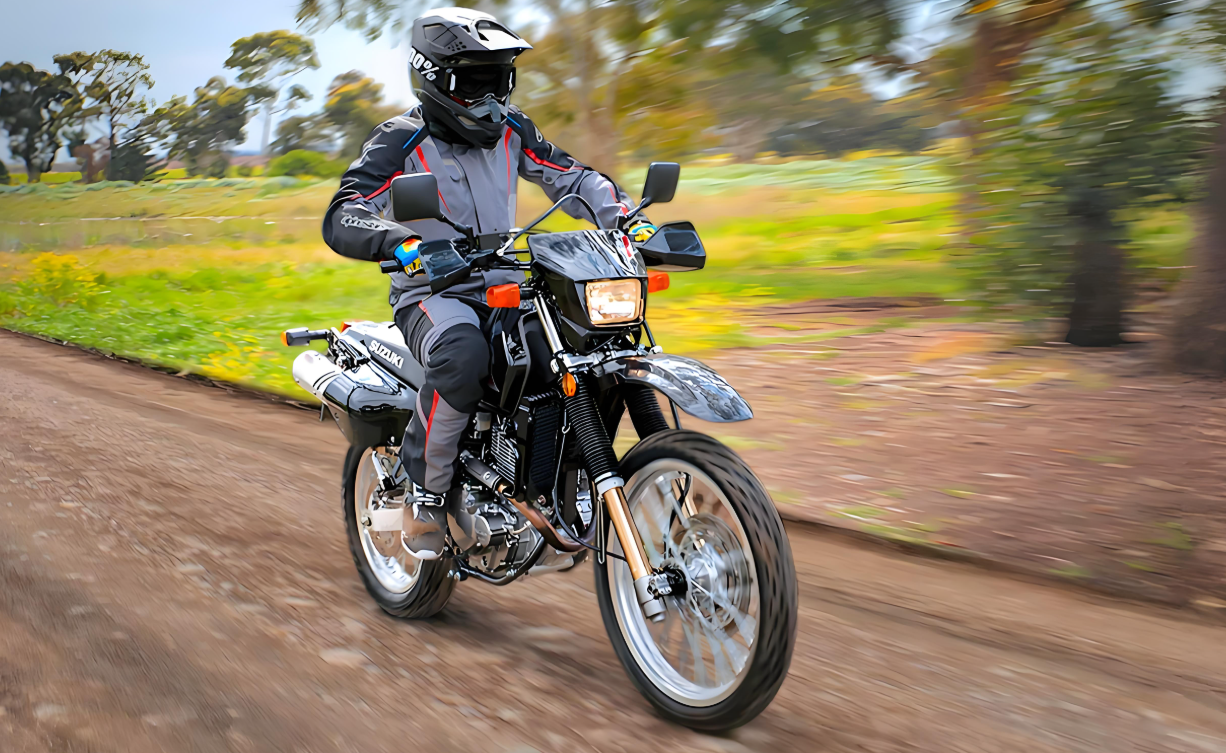
Four Japanese companies—Honda, Yamaha, Suzuki, and Kawasaki—hold over 40% of the global two-wheeled motor vehicle market share. For a long time, these enterprises have built solid industry barriers relying on their technological accumulation in the internal combustion engine sector. Amid the wave of electrification transformation, although these giants have already laid out their presence in the Japanese domestic market (both Honda and Yamaha have two-wheeled electric vehicles on sale), the pricing of their entry-level models is generally as high as around 300,000 Japanese Yen, which is approximately 100,000 Japanese Yen more expensive than Yadea’s first batch of models. This price advantage becomes even more crucial during the policy window period.
At the same time, the urban-rural dual structure of Japan’s transportation provides a differentiated living space for two-wheeled electric vehicles. Demands such as short-distance commuting and travel for the elderly population continue to exist. Especially against the backdrop of worsening aging, electric vehicle models suitable for short-distance scenarios are becoming a new option in local markets.

Yadea will face quite a few challenges in entering the Japanese market. Although the overall scale of Japan’s two-wheeled vehicle market is shrinking, competition remains fierce, with local brands boasting strong brand loyalty and a well-established sales and service system. Furthermore, Takaki Nakanishi points out that two-wheeled electric vehicles have not truly achieved popularization in regions outside China, partly due to issues such as high prices and insufficient charging facilities. However, Yadea’s entry into the Japanese market comes at an opportune time. Whether it can gain a share in the Japanese market by virtue of its price advantage and technological accumulation will affect the future pattern of the entire East Asian two-wheeled electric vehicle market.