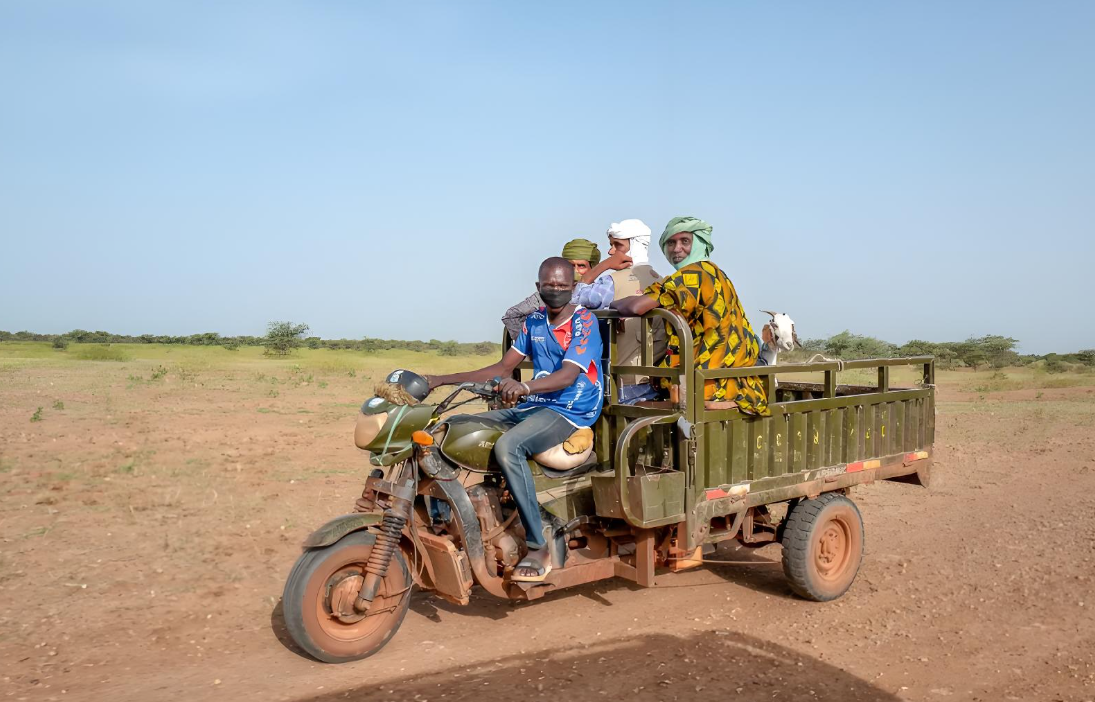
On the streets and alleys of Africa, the tricycles that shuttle most frequently do not come from China, the "world's factory," but from Indian brands. This unexpected market pattern not only makes Chinese tricycle enterprises fall into deep thought, but also opens a "window for reflection" on the overseas expansion of Chinese manufacturing: when we are used to venturing into overseas markets relying on advantages in production capacity and price, we may have overlooked that the core of global competition has long shifted from "selling products" to "building ecosystems."
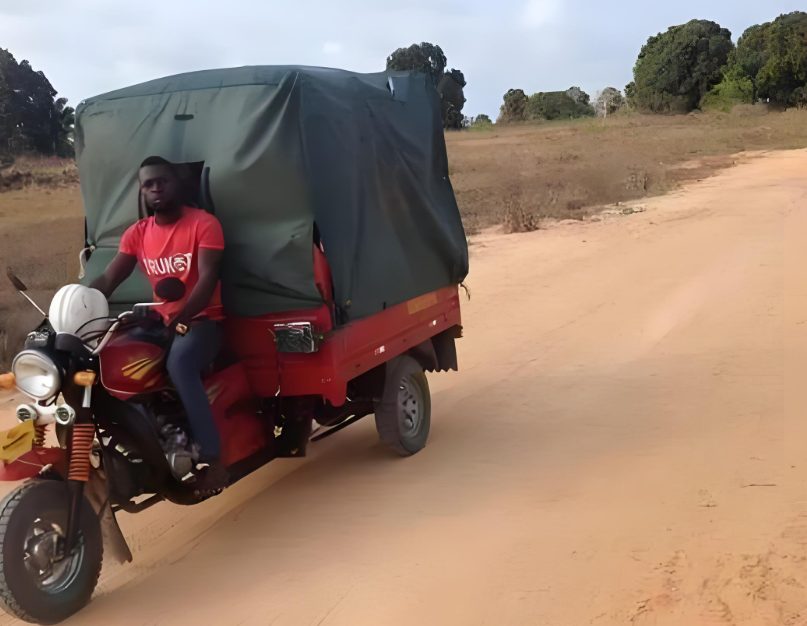
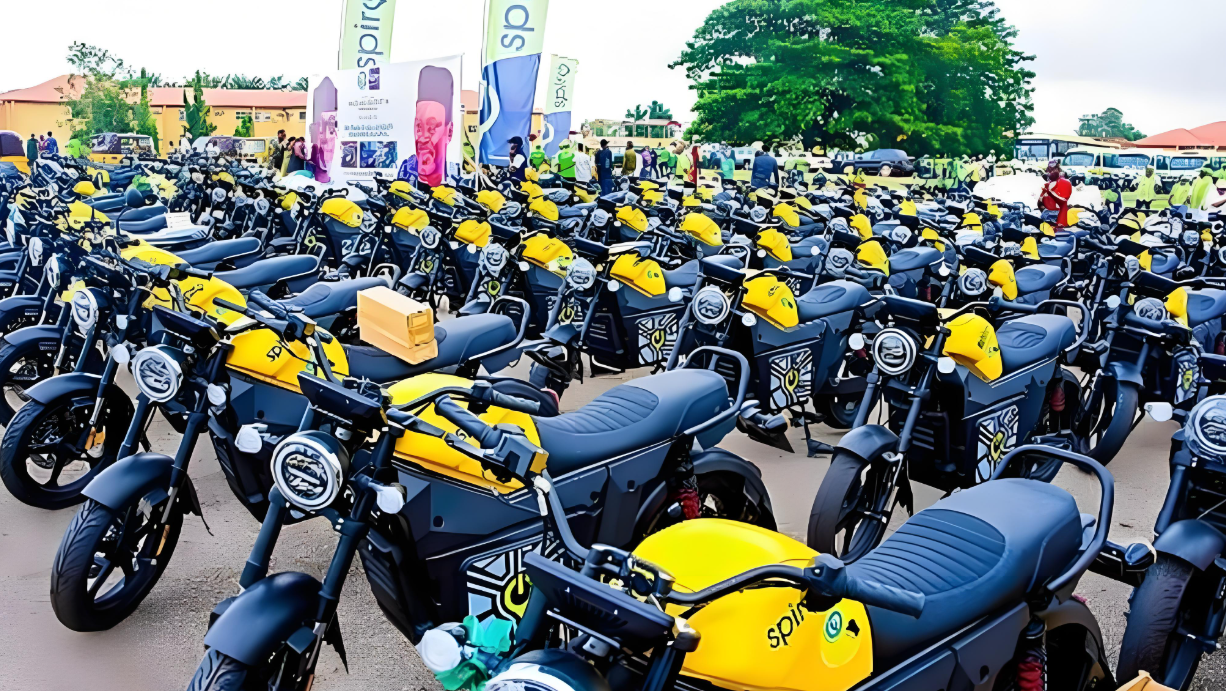
Africa is one of the continents with the lowest per capita GDP in the world, where "low price" is the key to opening up the market. However, Chinese tricycles have encountered setbacks here: with the same configuration, Indian products are 10% cheaper and also offer flexible payment plans such as "rent-to-own and installment payments".
Behind this gap lies a fundamental difference in business models.
Most Chinese tricycle enterprises still follow the traditional path of "domestic production + sea freight export": the cost advantages of domestic production are offset by ocean logistics, tariffs, and exchange rate fluctuations, weakening the competitiveness of end-market prices. More seriously, some enterprises have fallen into "low-price bidding" to secure orders; compressed profits leave them unable to build a "pre-sales, in-sales, and after-sales" service system, eventually trapping themselves in a vicious cycle of "low price→low quality→low service".
In contrast, Indian enterprises have chosen the "localized ecosystem" route: they set up assembly plants in Africa, source 90% of components locally (with only key parts imported from India), and hire local labor. This model not only significantly reduces sea freight costs but also enables rapid responses to local demand. More importantly, what Indian enterprises export is not just a tricycle, but a complete system integrating "production, sales, and finance".
Don’t take "domestic standards" as "globally universal".
The "dusty and rough-road" environment in Africa places special requirements on the adaptability of tricycles. However, the overseas expansion mindset of many Chinese enterprises still remains stuck in the traditional logic of "selling overseas what is sold domestically".
In contrast, Indian enterprises have made thorough preparations for localization in advance: they reduce the size of wheels and narrow the turning radius to facilitate movement on narrow dirt roads; add dust-proof devices to the air intake system to reduce malfunctions caused by sand and wind; and optimize the load-bearing structure of the vehicle body to adapt to the dual needs of "carrying both people and goods".
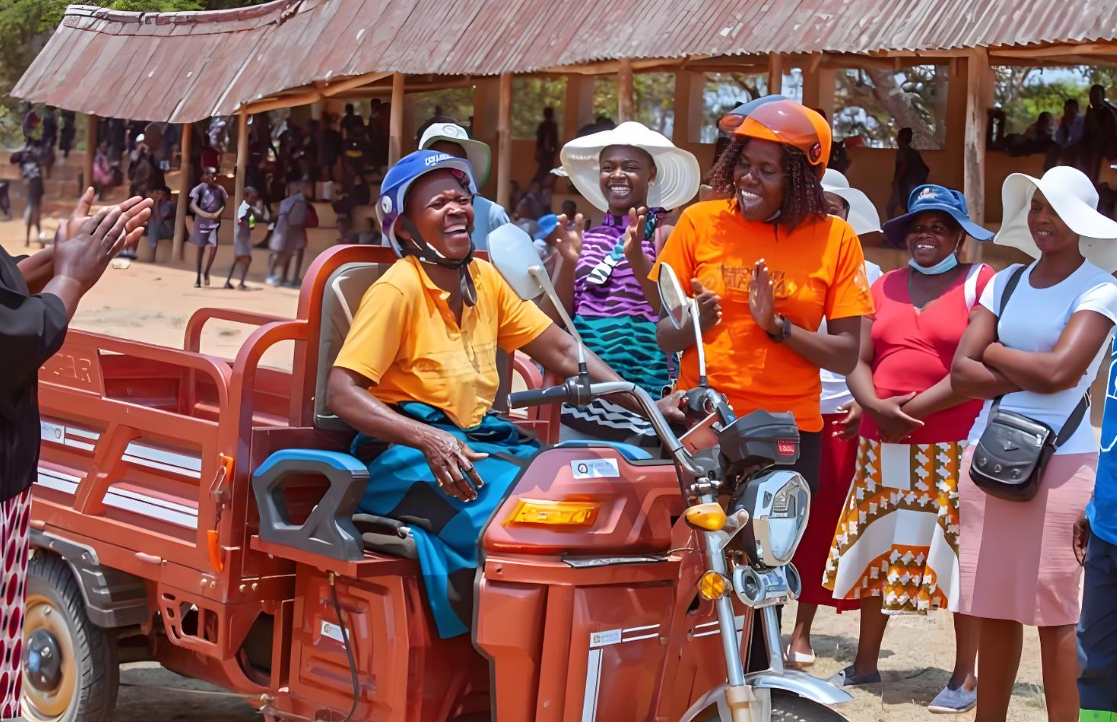
To turn the tide, Chinese enterprises must break out of the cycle of "low-price competition," truly invest time and costs in deeply cultivating local markets, and build a complete closed loop of "demand insight → localized transformation → ecosystem construction → trust accumulation."