
Recently, the "sanbengzi" (motorized tricycles) from Fengxian County, Xuzhou, has been featured in People's Daily. Soon after, a number of media outlets including Xinhua News Agency, Xinhuanet, China News Service (CNS), and Guangming Online reported on Fengxian's new energy vehicle industry. By 2025, the local area has successfully signed 22 projects including new energy special-purpose vehicles, with a planned investment of 12.1 billion yuan.
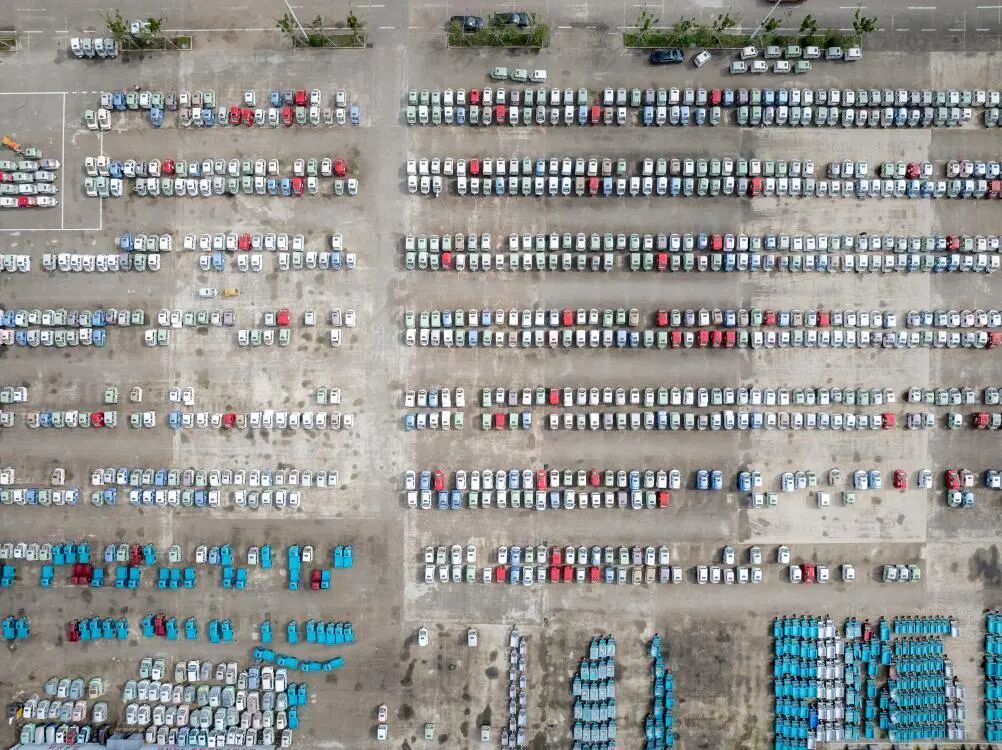
Fengxian County has formed a complete industrial chain. Covering everything from whole-vehicle manufacturing to the production of core spare parts such as magnetic steel, over 1,000 enterprises collaborate with clear division of labor. These enterprises account for more than 60% of China's electric tricycle market share and over 95% of the motor market, with products exported to more than 130 countries and regions. From January to September this year, the output value of Fengxian's above-scale electric vehicle enterprises increased by 21.7% year-on-year, and the volume of foreign trade imports and exports rose by 41.5%.
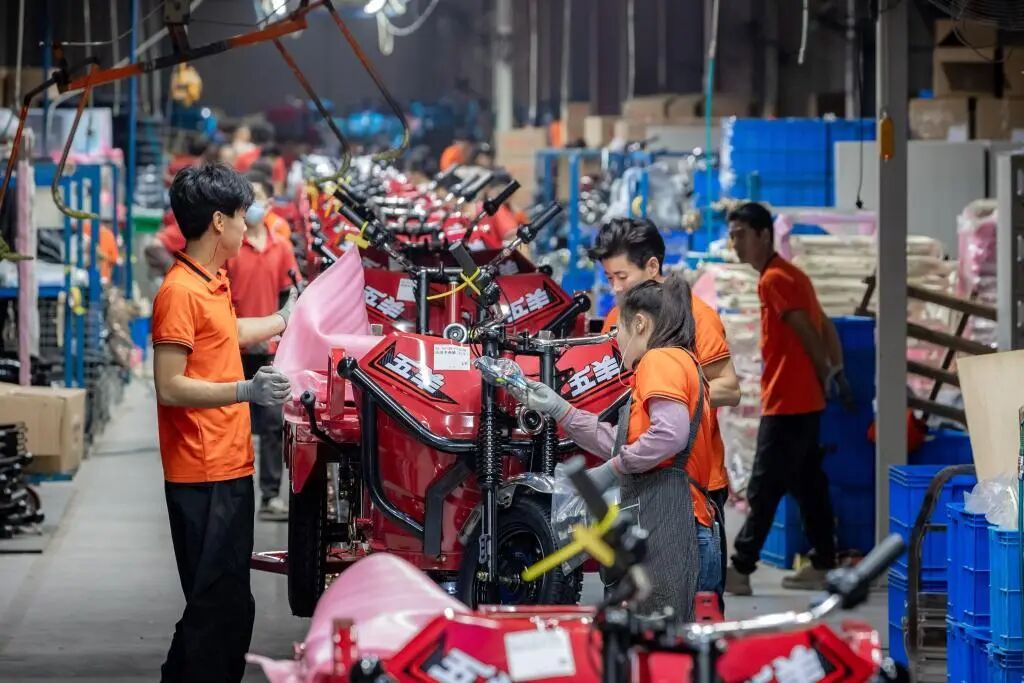
The annual Fengxian Electric Tricycles Exhibition attracts a large number of overseas buyers, cementing the "sanbengzi" as a vivid symbol of Fengxian’s connection with the world.
Cost-effectiveness stands as the core competitiveness behind Chinese electric tricycles’ global appeal to consumers. In the United States, farmers once relied on pickup trucks—priced at over $20,000 each—for short-distance transportation. In contrast, Chinese electric tricycles cost only a few thousand dollars, slashing purchase costs significantly. Moreover, their electric drive systems keep operating costs far lower than those of fuel-powered vehicles.
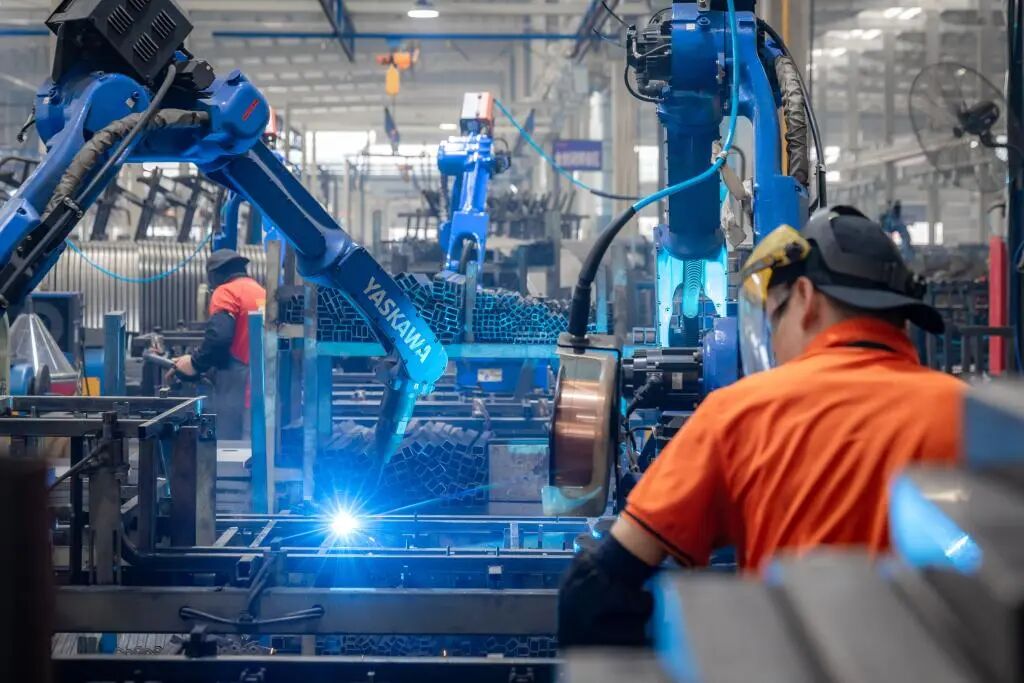
Beyond being eco-friendly, targeted customized innovations have enabled these products to adapt to diverse global scenarios. Today, their forms have long transcended traditional agricultural use: specialized models such as logistics vehicles, sanitation trucks, and tourist sightseeing carts are readily available. Many are even equipped with LCD screens, heating and cooling systems, and support Bluetooth unlocking and internet connectivity. From commuting in North American communities to goods transportation in Southeast Asian markets, they fully meet a wide range of needs.
From the early hand-modified versions by farmers to high-end models mass-produced in smart factories, the overseas journey of Chinese electric tricycles is a vivid microcosm of the transformation and upgrading of Chinese manufacturing. These vehicles have opened up markets with high cost-effectiveness and earned a strong reputation through precise innovation, turning this down-to-earth "Made in China" product into a new calling card that showcases the vitality and strength of China’s manufacturing industry to the world.